




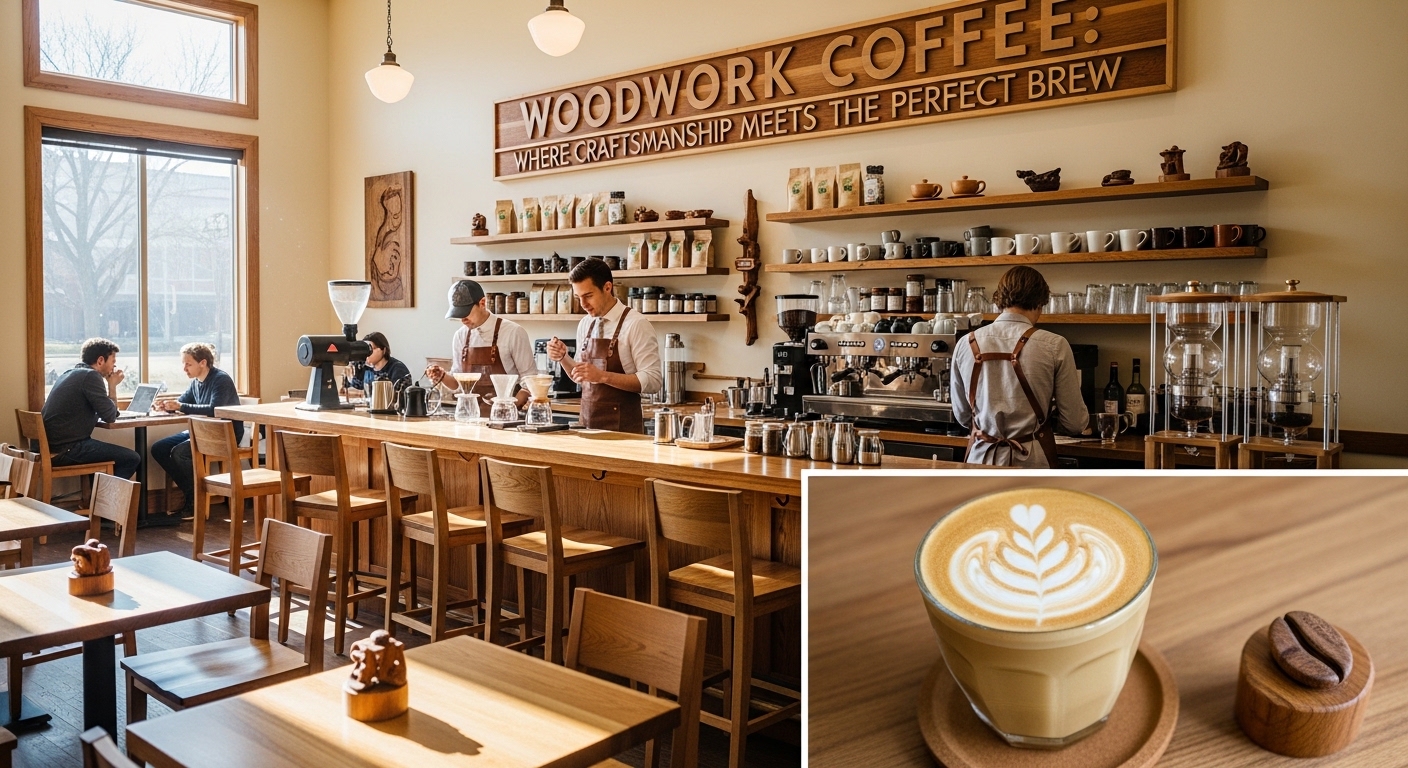
Woodwork coffee represents a growing appreciation for slow living, thoughtful design, and the harmony between handcrafted spaces and quality coffee experiences. In an age dominated by mass production and fast consumption, this concept brings together traditional woodworking aesthetics and the modern coffee culture that values authenticity, comfort, and creativity. The fusion is not just visual; it shapes how people interact with coffee spaces, furniture, and even the brewing process itself.
From small artisan cafés to home workshops, the influence of wood-focused design has transformed how coffee environments feel and function. This article explores the philosophy, materials, craftsmanship, and lifestyle appeal behind this trend, showing why it continues to resonate with coffee lovers and design enthusiasts alike.
The Origins and Philosophy Behind Woodwork Coffee
At its core, woodwork coffee is rooted in the idea that surroundings influence experience. Coffee, when served or enjoyed in a space crafted from natural materials, becomes more than a beverage. It becomes a ritual. Wood has always symbolized warmth, durability, and authenticity, qualities that align perfectly with the culture of slow brewing and intentional coffee consumption.
Historically, woodworking was an essential trade, shaping homes, tools, and communal spaces. As coffeehouses evolved from social hubs into creative sanctuaries, the return to handcrafted interiors felt natural. Woodworking techniques such as joinery, hand carving, and surface finishing bring depth and individuality that factory-made interiors often lack.
This philosophy values patience. Just as coffee beans are roasted with care and brewed with precision, wooden furniture and interiors are shaped with time and intention.
Why Natural Materials Matter in Coffee Spaces
The sensory experience of coffee extends beyond taste and aroma. Texture, temperature, and visual harmony play an equally important role. Wood contributes to these elements in ways synthetic materials cannot replicate.
A wooden counter retains warmth, making a café feel inviting even on quiet mornings. Grain patterns add organic movement to otherwise static spaces. Over time, wood ages gracefully, developing character rather than wearing out.
Below is a comparison that highlights how wood differs from common alternative materials used in coffee environments:
| Material Type | Sensory Experience | Longevity | Emotional Impact |
|---|---|---|---|
| Solid Wood | Warm, textured, natural | High with proper care | Comforting and authentic |
| Metal | Cool, industrial | Very high | Minimal and modern |
| Plastic | Smooth, uniform | Moderate | Neutral and impersonal |
| Stone | Solid, cold | Very high | Elegant but distant |
These qualities explain why wood continues to dominate spaces designed for connection and creativity.
Woodwork Coffee and Interior Design Aesthetics
Interior design plays a major role in shaping how coffee is enjoyed. The integration of woodworking elements brings balance between functionality and artistic expression. Shelving, tables, counters, and wall panels crafted from wood soften acoustics and create a sense of enclosure without feeling restrictive.
Designers often pair wooden features with neutral colors, natural light, and simple layouts. This combination encourages longer stays, deeper conversations, and a stronger emotional connection to the space. Whether the style leans rustic, Scandinavian, or modern minimalist, wood adapts seamlessly.
The popularity of open workshops and visible craftsmanship has also influenced design choices. Exposed joints, hand-finished surfaces, and visible grain patterns tell a story, making each piece feel personal rather than manufactured.
Craftsmanship and Skill in Coffee-Inspired Woodworking
Craftsmanship lies at the heart of this movement. Creating furniture or interiors for coffee spaces requires more than technical skill; it demands an understanding of how people move, sit, and interact. A well-crafted table supports conversation. A thoughtfully designed bar allows smooth workflow for baristas.
Woodworkers involved in coffee-focused projects often collaborate closely with café owners or homeowners. They consider factors such as durability, maintenance, and visual aging. Hardwoods like oak, walnut, and maple are commonly chosen for their strength and timeless appeal.
The table below outlines popular wood types used in coffee-related woodworking projects:
| Wood Type | Common Use | Visual Character | Maintenance Level |
|---|---|---|---|
| Oak | Tables and counters | Strong grain, classic | Moderate |
| Walnut | Accent furniture | Dark, rich tones | Low |
| Maple | Shelving and surfaces | Light, smooth | Moderate |
| Pine | Decorative elements | Soft, rustic | Higher |
Each choice reflects both practical needs and aesthetic goals.
Sustainability and Ethical Sourcing
Sustainability has become a defining value in both woodworking and coffee culture. Ethically sourced materials and environmentally responsible practices are no longer optional; they are expected. Reclaimed wood, in particular, has gained popularity for its environmental benefits and unique appearance.
Using reclaimed materials reduces waste and adds historical depth to a space. Scratches, nail holes, and weathered textures tell stories that new materials cannot replicate. When paired with responsibly sourced coffee beans, the result is a space that reflects conscious living.
Many artisans now prioritize local sourcing, reducing transportation emissions while supporting regional economies. This approach mirrors the farm-to-cup movement in coffee, reinforcing shared values across both crafts.
The Home Experience and Woodwork Coffee
This concept is not limited to cafés. Home coffee corners and personal brewing stations have become increasingly popular. People are investing in custom wooden shelves, countertops, and storage solutions that elevate their daily routines.
A home setup designed with woodworking principles encourages mindfulness. Grinding beans, heating water, and brewing coffee becomes a tactile experience enhanced by the surrounding materials. The presence of wood slows the pace, turning a rushed habit into a moment of calm.
Below is an example of how woodworking elements enhance a home coffee setup:
| Element | Purpose | Experience Added |
|---|---|---|
| Wooden Shelf | Storage and display | Visual warmth |
| Solid Countertop | Brewing surface | Stability and comfort |
| Handcrafted Tray | Organization | Ritual and intention |
These small details collectively transform how coffee fits into everyday life.
Cultural Influence and Community Spaces
Coffee spaces have always been places of connection. When woodworking is thoughtfully integrated, these environments feel more human and approachable. Community tables made from solid wood encourage shared experiences, while individual nooks offer quiet reflection.
In many cities, cafés featuring handcrafted interiors become landmarks. They attract artists, writers, and remote workers seeking inspiration. The tactile presence of wood fosters creativity and focus, making these spaces feel like extensions of home rather than commercial venues.
This cultural impact extends beyond aesthetics. It shapes behavior, encouraging respect for space, slower consumption, and meaningful interaction.
Technology, Tradition, and Modern Balance
While woodworking is deeply traditional, it has adapted to modern needs. CNC machines, digital design tools, and precision equipment now complement hand tools rather than replace them. This balance allows artisans to maintain quality while meeting contemporary demands.
Coffee equipment has followed a similar path. Advanced espresso machines coexist with manual brewing methods. Together, they create environments where innovation and tradition support each other rather than compete.
The integration of technology ensures consistency and efficiency, while handcrafted elements preserve character and warmth.
Challenges in Maintaining Wooden Coffee Spaces
Despite its appeal, wood requires care. Exposure to moisture, heat, and heavy use can lead to wear if not properly managed. Regular maintenance, protective finishes, and thoughtful design choices help preserve longevity.
Café owners and homeowners must understand how to clean and protect wooden surfaces without damaging them. Choosing the right sealants and cleaning methods ensures that beauty does not come at the cost of durability.
Education plays a key role. When people understand how materials behave, they are more likely to respect and maintain them.
The Emotional Connection to Craft and Coffee
Perhaps the most compelling aspect of woodwork coffee is the emotional response it evokes. People instinctively respond to natural materials. Wood feels alive, even when shaped and polished. It connects individuals to nature, history, and human effort.
Coffee, similarly, carries emotional weight. It marks beginnings, pauses, and conversations. When these two elements come together, they create spaces that feel meaningful rather than transactional.
This emotional connection explains why such environments leave lasting impressions and inspire loyalty.
The Future of Wood-Inspired Coffee Culture
As people continue to seek authenticity and balance, this approach shows no sign of fading. Future designs will likely emphasize adaptability, sustainability, and storytelling. Modular wooden furniture, eco-friendly finishes, and collaborative community spaces will define the next evolution.
Education and appreciation for craftsmanship are also growing. Consumers increasingly value knowing who made their furniture and where materials come from. This transparency strengthens trust and deepens engagement.
Ultimately, this movement reflects a broader shift toward intentional living.
Conclusion
Woodwork coffee is more than a design trend; it is a mindset. It celebrates patience, craftsmanship, and the beauty of natural materials while enhancing one of the world’s most beloved rituals. By blending traditional woodworking with modern coffee culture, it creates spaces that feel warm, authentic, and deeply human.
Whether experienced in a thoughtfully designed café or a quiet corner at home, this approach reminds us that how something is made matters just as much as how it is consumed.