




Introduction to Zuschneidfelle
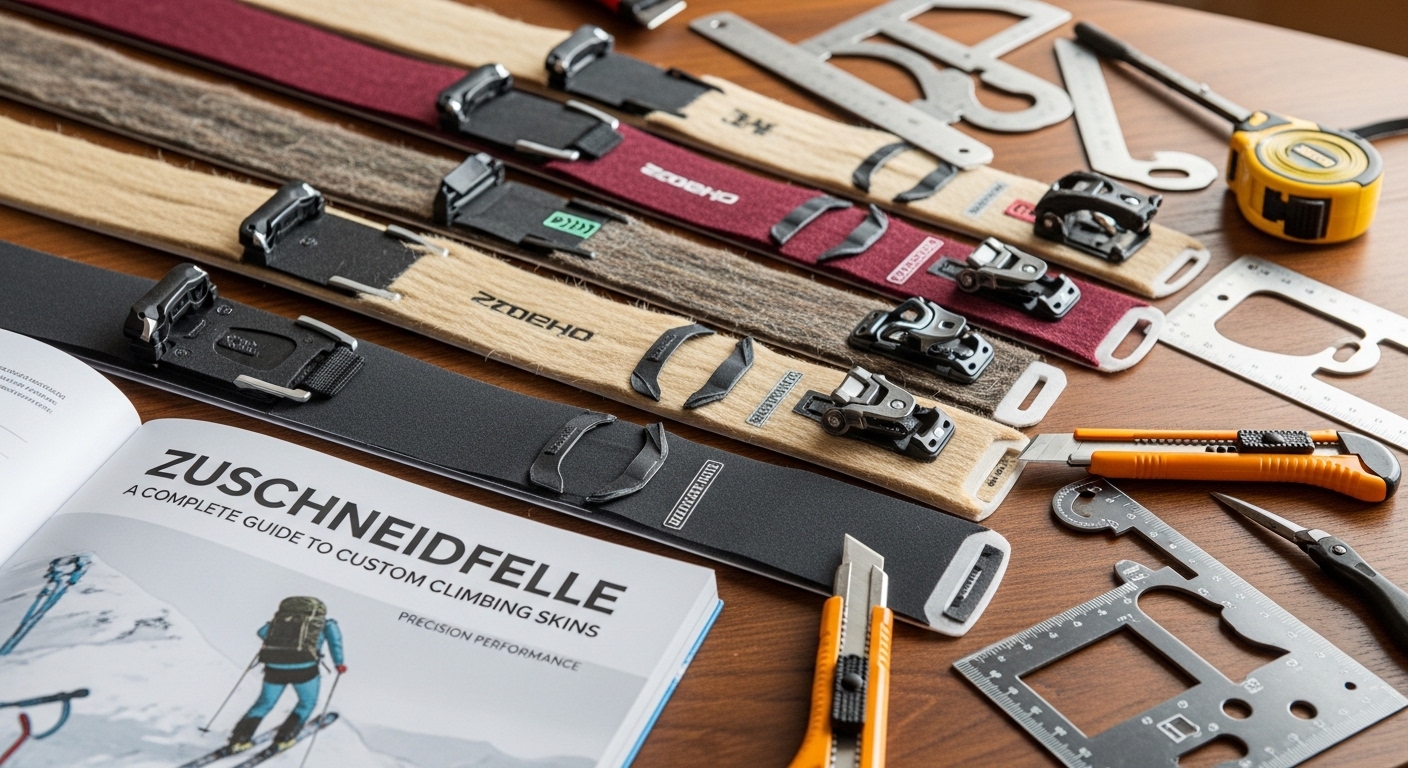
The term zuschneidfelle refers to customizable climbing skins designed for ski touring, splitboarding, and alpine travel where precision, efficiency, and adaptability matter most. In the modern outdoor and winter sports world, athletes and recreational explorers alike are increasingly drawn to solutions that can be tailored to their exact equipment and terrain needs. This is where customizable skins play a crucial role, offering flexibility that pre-cut alternatives often cannot match.
As ski technology advances and touring setups become more specialised, the demand for adaptable accessories has grown steadily. Zuschneidfelle sit at the intersection of craftsmanship and innovation, enabling users to fine-tune their gear for optimal grip, glide, and durability across varied snow conditions.
Understanding the Concept Behind Zuschneidfelle
At its core, the idea of Zuschneidfelle is based on personalisation. Unlike factory-shaped skins that are designed to fit specific ski models, these skins are delivered in wider, longer formats and trimmed by the user to match the exact contours of their skis or splitboards.
This concept emerged from the realization that no two touring setups are truly identical. Differences in ski width, tip shape, tail geometry, and rocker profiles all influence how a skin performs. Custom trimming ensures full edge coverage without unnecessary material drag, resulting in a more efficient uphill experience. Historically, early touring skins were simple and universal, often compromising performance for convenience. Over time, the industry recognized the value of precision fit, leading to the widespread adoption of customizable solutions that prioritize both performance and versatility.
Materials and Construction in Modern Custom Skins
The performance of customizable climbing skins is largely determined by the materials used in their construction. Manufacturers typically blend natural and synthetic fibers to balance grip, glide, and longevity.
Natural fibers, often derived from mohair, are prized for their smooth glide and lightweight feel. Synthetic fibers, such as nylon, offer superior durability and grip, particularly in icy or abrasive conditions. Many modern designs combine both to achieve an optimal balance. The backing material and adhesive layer are equally important. A strong yet flexible backing allows the skin to conform to ski contours, while advanced glue technologies ensure reliable adhesion in cold temperatures without excessive residue.
The table below highlights common material combinations and their performance characteristics:
| Material Composition | Grip Performance | Glide Efficiency | Durability |
|---|---|---|---|
| Pure Mohair | Moderate | Excellent | Lower |
| Pure Synthetic | High | Moderate | Very High |
| Mixed Fiber Blend | Balanced | Balanced | High |
These material choices allow users to select a skin that aligns with their touring style, terrain preferences, and maintenance expectations.
Zuschneidfelle and Performance Optimization
One of the primary advantages of zuschneidfelle lies in their impact on uphill efficiency. Properly trimmed skins reduce drag, improve traction, and enhance overall control during ascents. This optimization becomes especially noticeable on long tours where small inefficiencies accumulate over time.
A precise fit ensures that the ski’s metal edges remain exposed, which is essential for traversing firm or icy slopes. At the same time, full base coverage maximizes grip, preventing backward slippage on steep climbs. In performance-focused touring, energy conservation is critical. Custom-fitted skins help minimize wasted effort, allowing skiers to maintain a steady rhythm and conserve strength for descents. This balance between grip and glide is a defining feature of high-quality customizable skins.
The Trimming Process and User Experience
Trimming customizable skins is a process that combines careful measurement with hands-on craftsmanship. While it may seem intimidating at first, most users find it rewarding, as it creates a deeper connection with their equipment.
The process typically involves aligning the skin with the ski base, securing it at the tip, and carefully cutting along the edges to match the ski’s profile. Modern kits often include specialized tools and clear instructions to simplify the experience. This hands-on customization not only ensures a precise fit but also allows users to make adjustments based on personal preference. Some may prioritize maximum grip, while others focus on glide efficiency, subtly influencing how much base area is covered.
Maintenance and Longevity of Custom Climbing Skins
Proper care significantly extends the lifespan of customizable skins. Regular drying after use prevents moisture buildup, which can degrade adhesives and fibers over time. Storage conditions also play a vital role, as excessive heat or prolonged compression can reduce performance.
Cleaning the fibers periodically helps maintain grip and glide. Snow contaminants, dirt, and tree debris can accumulate, especially during spring touring. Gentle cleaning methods preserve fiber structure without damaging the skin.
The table below outlines basic maintenance practices and their benefits:
| Maintenance Practice | Frequency | Performance Benefit |
|---|---|---|
| Air drying after tours | Every use | Preserves adhesive |
| Fiber cleaning | Seasonal | Restores grip and glide |
| Proper storage | Off-season | Extends lifespan |
By following these practices, users can ensure consistent performance across multiple seasons, making their investment more sustainable and cost-effective.
Environmental Considerations and Sustainable Design
Sustainability has become an increasingly important factor in outdoor gear manufacturing. Many brands now prioritize eco-conscious materials and production methods, recognizing the close relationship between winter sports and natural environments. Customisable skins contribute to sustainability by reducing waste. Instead of discarding ill-fitting pre-cut skins, users adapt a single product to their exact needs. This adaptability minimizes unnecessary material consumption and extends product usability. Additionally, some manufacturers are exploring biodegradable fibers, solvent-free adhesives, and recyclable packaging. These innovations reflect a broader commitment to environmental responsibility within the outdoor industry.
Zuschneidfelle in Different Touring Disciplines
While often associated with ski touring, customizable skins are equally relevant in splitboarding and alpine approaches. Each discipline presents unique demands, and customization allows users to tailor their setup accordingly.
In ski touring, precise edge exposure and efficient glide are critical for long ascents. In splitboarding, skin flexibility and reliable adhesion become even more important due to board shape and stance differences. Alpine climbers and mountaineers also benefit from custom skins when navigating mixed terrain that includes snowfields, glaciers, and steep couloirs. The ability to adapt skins to specialized equipment enhances safety and performance in challenging environments.
Comparing Customizable Skins to Pre-Cut Alternatives
The choice between customizable and pre-cut skins often depends on user priorities. Pre-cut options offer convenience and quick setup, appealing to beginners or those seeking simplicity. However, they may not account for unique ski shapes or personal performance preferences.
Customizable skins, on the other hand, offer unmatched precision and versatility. While they require an initial time investment for trimming, the long-term benefits often outweigh this effort for dedicated tourers.
The table below summarizes key differences:
| Feature | Customizable Skins | Pre-Cut Skins |
|---|---|---|
| Fit Precision | High | Moderate |
| Setup Time | Initial trimming required | Ready to use |
| Adaptability | Very High | Limited |
| Long-Term Value | High | Moderate |
This comparison highlights why many experienced users gravitate toward customizable solutions as their skills and ambitions grow.
Technological Innovation and Future Trends
Innovation continues to shape the evolution of climbing skins. Advances in fiber engineering, adhesive chemistry, and manufacturing precision are driving improvements in performance and usability.
Future developments may include smart materials that adapt grip based on temperature or snow conditions, as well as modular systems that allow users to adjust skin characteristics mid-tour. Digital tools for guided trimming and fit visualization could further simplify customization for newcomers. As touring disciplines gain popularity worldwide, the demand for adaptable, high-performance gear is expected to rise. Customizable skins are well-positioned to remain a cornerstone of this growing market.
Conclusion
The enduring appeal of zuschneidfelle lies in their ability to combine precision, performance, and personalization. In a sport where efficiency and reliability are paramount, custom-fitted climbing skins offer a clear advantage across diverse terrains and disciplines.
By empowering users to tailor their gear, these skins foster a deeper understanding of equipment performance and encourage responsible, long-term use. As technology and sustainability continue to influence outdoor sports, customizable solutions will remain essential for those seeking both adventure and excellence in the mountains.